%2Ffit-in%2F250x250%2Fguide_websites%2F183244%2Fimages%2F1786749020943jandjbrothersguideservice.png&w=1920&q=100)
%2F%2Fusers%2Ff99d2d05-a425-4e04-8588-392d00c71a94%2Fratecard%2Fjandjbrothersguideservice-mstk0dxi.png&w=1920&q=75)
Track the Run for Hesperia's Best Salmon and Steelhead
When you're serious about connecting with the White River's legendary runs, this is the trip that delivers. I'm talking about real bank time – enough to read the water, adjust your approach, and put you right where the fish are holding. We'll work multiple prime spots as conditions change throughout the day, switching between drift techniques and bottom-bouncing setups depending on what the river's telling us. This isn't a rush job – it's a proper fishing session designed to give you the full White River experience while maximizing your chances at landing something special.
What to Expect on the Water
The White River around Hesperia is where serious salmon and steelhead anglers come to test their skills, and for good reason. We're targeting fish that have traveled hundreds of miles to reach these spawning grounds, and they're not giving up without a fight. Our approach changes with the season – fall brings the heavy salmon runs when you'll feel that telltale thump on your line, while spring and early summer offer some of the most aggressive steelhead fishing you'll find anywhere in the region. We'll spend quality time at each productive spot, reading the current breaks and drop-offs where migratory fish naturally stage. The beauty of having extended time on the water means we can adapt our strategy as the day progresses. Morning light often calls for different presentations than midday conditions, and I'll walk you through each adjustment so you understand why we're making the switch.
Drift Rigs and Bottom Tactics
We'll be running two main approaches depending on where the fish are positioned. In the deeper bends and pools, we're drifting specialized float rigs that let your bait travel naturally with the current – this is where presentation makes all the difference. I'll show you how to read your float and detect those subtle takes that separate experienced anglers from beginners. When we're working the gravel beds and shallower runs, we switch to bottom-bouncing tackle that keeps your offering right in the strike zone where salmon and steelhead are feeding. The key is matching your weight to the current speed so you're ticking bottom without getting snagged up. We'll be using fresh spawn, cured roe, and select artificial lures depending on water conditions and fish behavior. I carry a full selection of weights, hooks, and terminal tackle so we can fine-tune your setup for each spot we fish. The White River has some tricky current seams and pocket water that require specific presentations, and I'll teach you how to recognize productive water versus areas where you're just casting for exercise.
Top Catches This Season
Rainbow trout are the backbone of the White River fishery, with healthy populations of wild fish mixing with hatchery runs throughout the season. These aren't your typical stocked rainbows – we're talking about fish that have grown fat on the river's abundant insect life and baitfish. Peak season runs from late spring through early fall, with the best fishing typically happening during overcast conditions or the first few hours after sunrise. What makes these rainbows special is their fighting ability in current – they'll use every rock and current break to try to throw your hook. Coho salmon show up in serious numbers during their fall run, usually peaking in September and October. These silver bullets are aggressive feeders when they first enter the river system, hitting everything from bright spoons to carefully drifted roe. A fresh coho will test your drag and your nerves with blistering runs that can strip line faster than you expect. They're also excellent table fare if you're looking to take fish home.
Steelhead trout are the crown jewel of our fishery, and the White River consistently produces fish in the 8-12 pound range with occasional monsters pushing 15 pounds or better. Winter steelhead enter the system from December through March, while summer runs typically show from June through August. These fish are pure adrenaline – they'll jump, run, and fight until the very last second. What sets our steelhead apart is their condition when they enter the river. The White River's clean, cold water keeps them bright and strong, making for some of the most memorable fights you'll experience. Chinook salmon are the heavyweights of our runs, with mature fish commonly weighing 15-25 pounds and occasional giants exceeding 30 pounds. Fall is prime time for kings, typically from late August through October. These fish require heavy tackle and serious technique – they have the power to break off inexperienced anglers who aren't prepared for their initial runs.
Brown trout round out our target species list and represent some of the craftiest fish in the river. They're typically more active during low-light periods and can be extremely selective about presentations. The payoff is worth the challenge – White River browns are beautifully colored fish with a reputation for being incredibly strong fighters. They prefer deeper pools and undercut banks, often holding in spots where other species won't venture. Landing a quality brown requires patience and precision, making them a favorite target for anglers looking to test their technical skills.
Time to Book Your Spot
The White River doesn't give up its fish easily, but that's exactly what makes a successful day so rewarding. This trip gives you the time and expert guidance needed to unlock the river's potential, whether you're chasing your first steelhead or trying to land a personal best salmon. With space for up to three anglers, you'll get personalized attention and plenty of opportunities to work on your technique. The seasonal runs are predictable, but the daily bite windows can be narrow – having a guide who reads these patterns daily makes all the difference between going through the motions and actually connecting with fish. Ready to experience what serious White River fishing is all about? Let's get you on the water when the conditions are right and the fish are biting.
Learn more about the species
Brown Trout
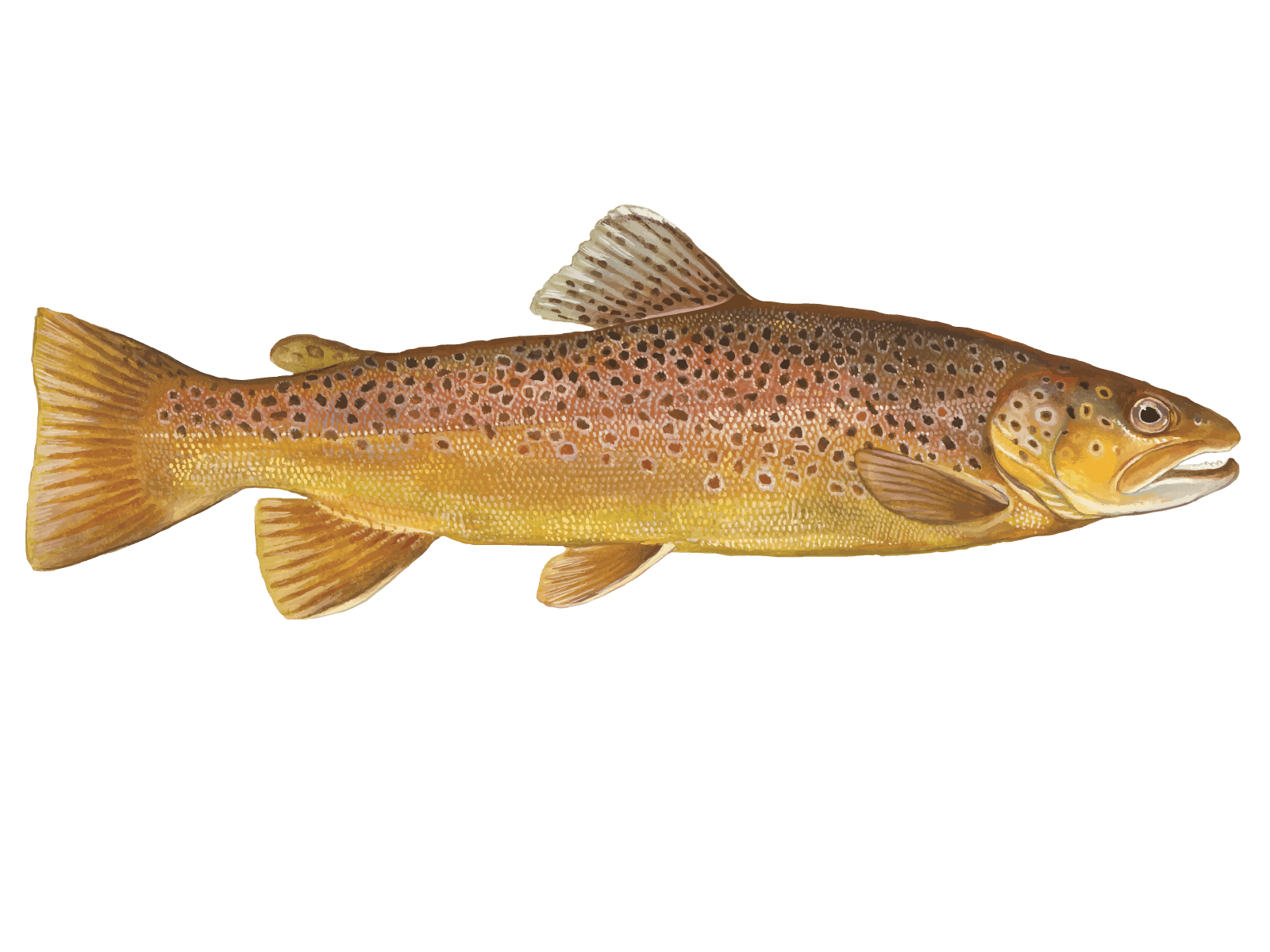
Brown trout are the craftiest fish in our system, averaging 12-20 inches but capable of growing much larger. These golden-brown beauties with black spots are extremely wary and prefer structure like undercut banks, fallen logs, and deep pools. They thrive in water temps from 54-65°F and often feed heavily at night during warmer months. Fall brings excellent fishing when they're aggressive before spawning, and spring can be productive too. What makes browns special is the challenge - they're smart, selective, and put up a great fight once hooked. The meat is excellent with a mild, slightly nutty flavor. They'll often hold in spots other trout avoid, making them a thinking angler's fish. Here's a trick that's saved many trips: when browns are being fussy during daylight, try drifting a small crawler or nymph right tight to cover where they hide. Sometimes you need to put it right on their nose to get a reaction.
Chinook Salmon
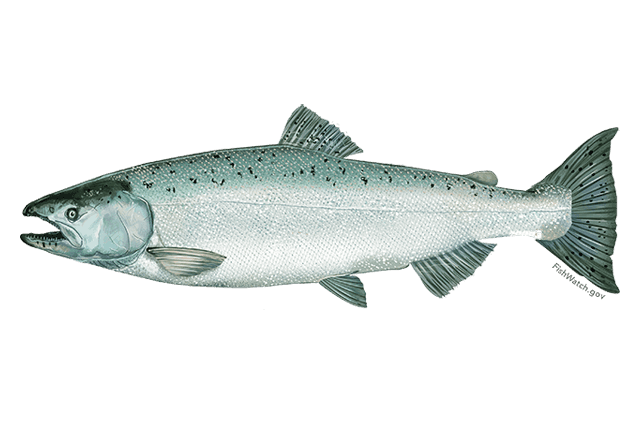
Chinook salmon, the kings of the river, are our largest salmon species running 20-40 inches and 15-30 pounds in good years. These powerful fish have silver sides with black spots and prefer deeper water since they're light-sensitive. You'll find them in the deepest pools and runs, often near the bottom during daylight hours. Fall brings the best action when they're moving upstream to spawn, typically October through December. What makes kings special is their sheer size and bulldogging fight - they don't jump much but they'll pull drag like a freight train. The rich, reddish meat is prime table fare. Early morning and evening offer the best chances since they're more active in low light. Here's what works on the White River: get your bait down deep with enough weight to stay in the strike zone. A fresh roe sac bounced along the bottom through those deeper holes can be deadly when nothing else is working.
Coho Salmon
Coho salmon, also called silver salmon, typically run 12-30 inches and 8-12 pounds in our system. These acrobatic fighters are famous for their aerial displays - they'll jump clean out of the water multiple times during a fight. Look for them in deeper pools and runs during their fall spawning migration, often holding in current breaks near gravel beds. They prefer cooler water and can be found at various depths depending on conditions. Fall is prime time when they're pushing upstream to spawn, usually September through November. What guests love about coho is their aggressive nature and spectacular jumps - it's pure adrenaline when one takes off. The bright orange-red meat is top-shelf eating too. Here's a tip that works well on the White River: when they're holding deep and reluctant to bite, try swinging a bright pink or chartreuse jig slowly through the run. Sometimes that color change is all it takes to trigger a strike.
Rainbow Trout
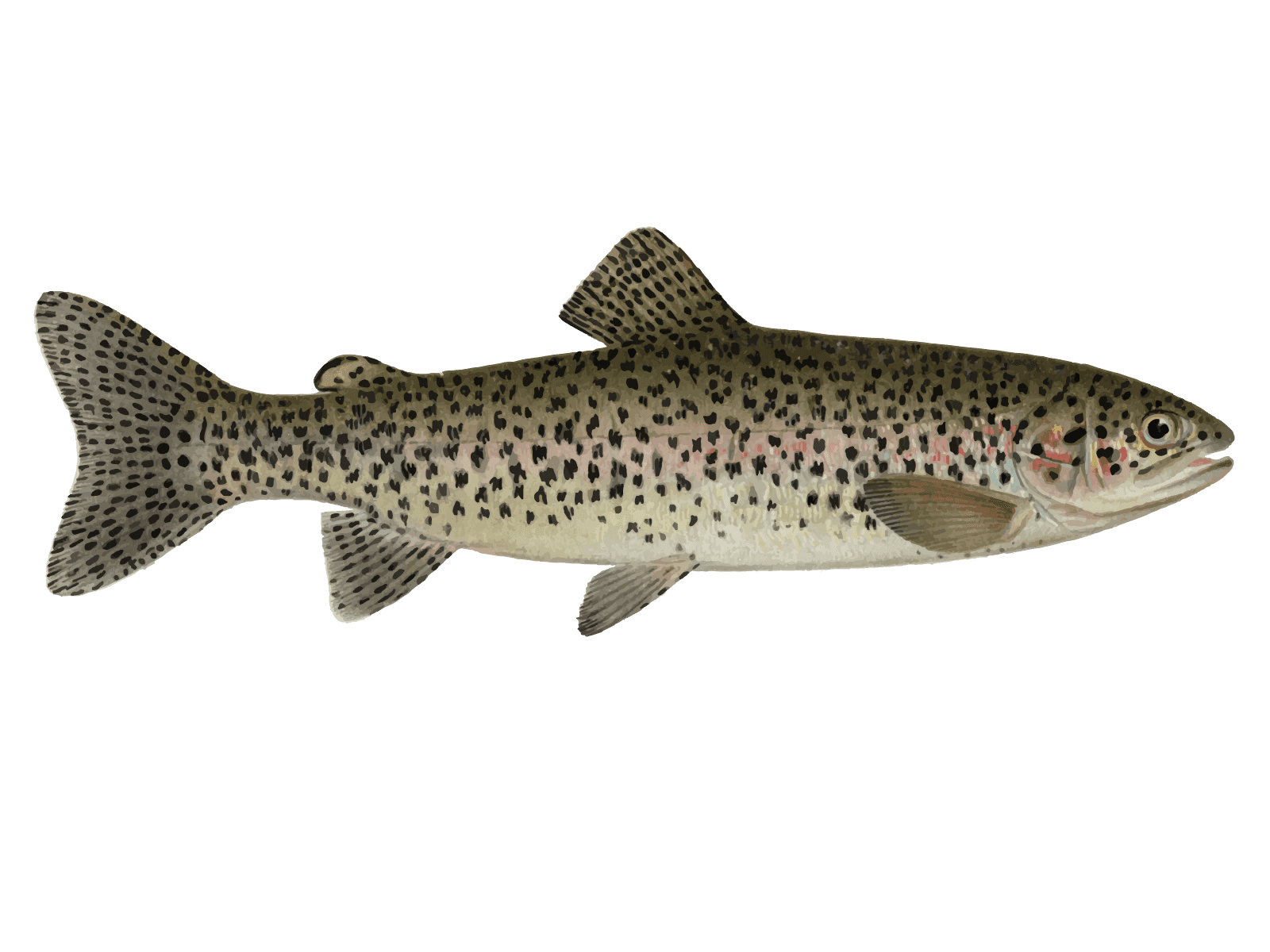
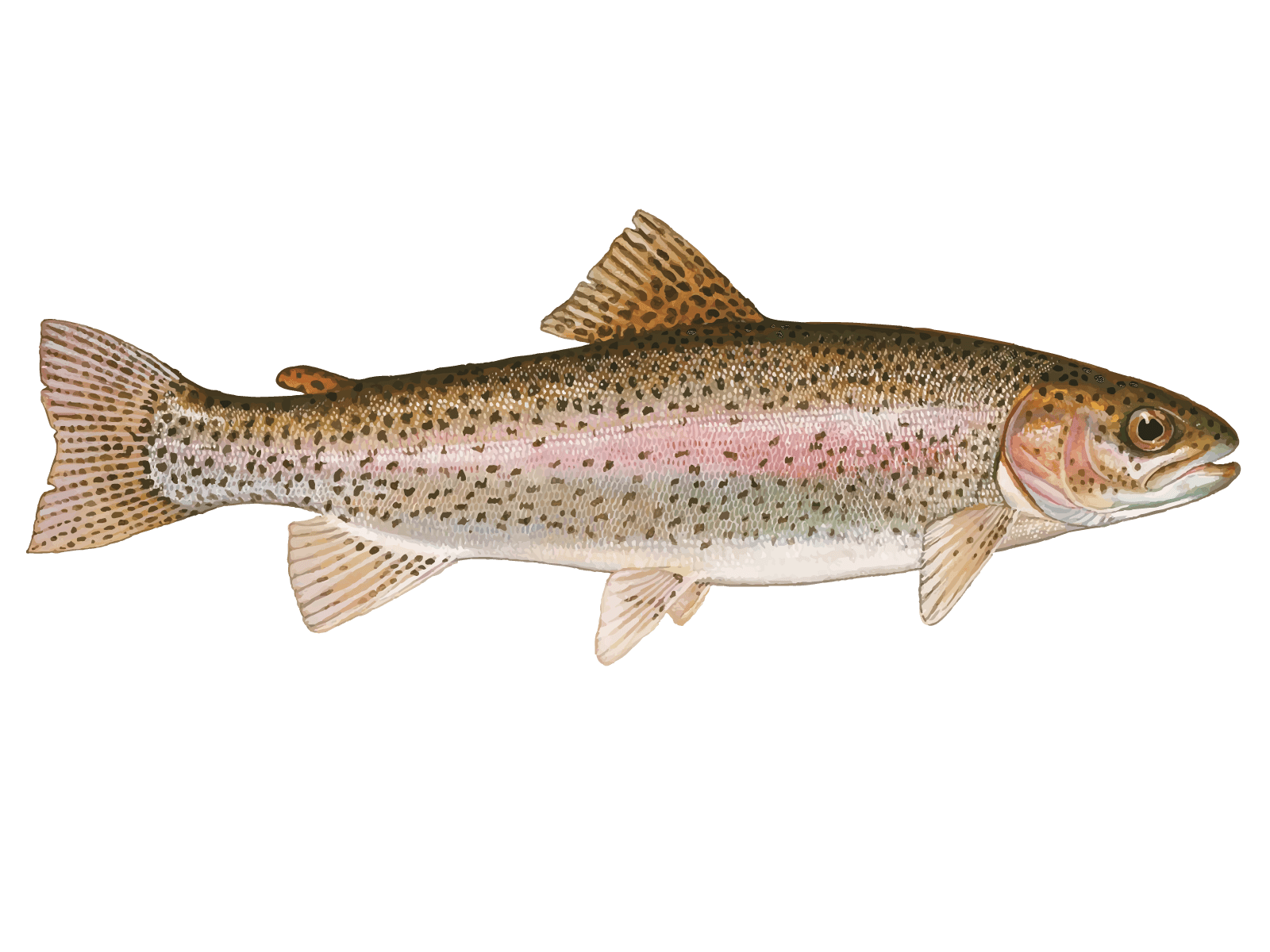
Rainbow trout average 8-24 inches and 2-8 pounds, though the White River produces some hefty specimens. These beauties show off silver sides with that signature pink stripe and black spots. You'll find them in cooler water around 55-65°F, often holding near undercut banks, boulders, and deeper pools. They love clean, well-oxygenated water with good current breaks. Spring through early summer offers prime fishing when they're actively feeding on insects. Fall can be excellent too as they prepare for spawning. What makes rainbows special is their willingness to fight - they'll jump, run, and put on a real show. The meat is excellent eating with that pink flesh. Here's a local trick: when the water's up and murky, try drifting bright egg patterns or worms under a float through those deeper bends. They can't resist a good presentation even when visibility is poor.
Steelhead Trout
Steelhead are sea-run rainbow trout that return to spawn, averaging 24 inches but often reaching 30+ inches and 8-15 pounds. These chrome-bright fighters are incredibly strong from their ocean time, making long runs and powerful jumps. They hold in deeper pools, tailouts, and current seams, using boulders and structure for cover. Best fishing runs from late fall through early spring when they're migrating upstream. What makes steelhead special is their raw power - they'll test your gear and skills like few other fish. They're also great eating with firm, pink meat. The challenge keeps anglers coming back since they can be selective about what they'll hit. A productive local technique is drifting a small jig or bead under a float through those gravel runs where they stage. Keep your presentation natural and be ready - when a steelhead hits, it often happens fast and they don't mess around.