%2Ffit-in%2F250x250%2Fguide_websites%2F183244%2Fimages%2F1786749020943jandjbrothersguideservice.png&w=1920&q=100)
%2F%2Fusers%2Ff99d2d05-a425-4e04-8588-392d00c71a94%2Fratecard%2Fjandjbrothersguideservice-mstk0dxi.png&w=1920&q=75)
Heavy River Bank Fishing for Seasoned Rod Hands
If you're tired of basic fishing tutorials and ready to put your skills to the test on some of the most challenging water around, this White River adventure is calling your name. Captain Justin and the team at J and J Brothers Guide Service have crafted this top-rated experience specifically for experienced anglers who want to push their limits and chase serious fish. We're talking technical water reading, precision presentations, and the kind of bank fishing that separates weekend warriors from dedicated rod hands. This isn't your average guided trip – it's three spots max, no hand-holding, and all the local knowledge you need to crack the code on White River's toughest holding water.
What to Expect on the Water
Right off the bat, you'll notice this trip runs different than most guided experiences. Captain Justin's approach is all about putting seasoned anglers in prime positions to work technical water without the usual beginner-friendly distractions. The White River throws everything at you – shifting currents, complex structure, and fish that have seen every presentation in the book. You'll spend your day reading water like a pro, identifying the subtle breaks and current seams where quality trout and salmon hold tight. The focus stays on refined technique and tactical adjustments rather than basic casting lessons. With only three anglers per trip, you get the individual attention needed to dial in your presentation and adapt to changing river conditions. Captain Justin brings years of local knowledge about seasonal patterns, recent river shifts, and which structures are producing consistent results.
Techniques & Tackle Setup
This is where things get interesting for technical-minded anglers. The White River demands specialized approaches, and Captain Justin walks you through centerpin-style float setups that let you achieve perfect drift control in challenging currents. You'll learn to read micro-currents and adjust your lead and float positioning to keep baits in the strike zone longer. The session covers subtle bead presentations for pressured fish, along with aggressive hardware tactics when conditions call for reaction strikes. Log jams and undercut banks require specific entry angles and presentation timing – skills that separate successful river anglers from those who just cast and hope. Captain Justin shares his insights on line management in heavy current, how to detect subtle takes when your drift gets complex, and which terminal tackle adjustments make the difference between getting skunked and connecting with quality fish. The technical aspects include reading water temperature breaks, identifying seasonal feeding lanes, and understanding how structure changes affect fish positioning throughout different flow levels.
Target Species Breakdown
Rainbow Trout on the White River are known for their aggressive feeding behavior and spectacular aerial displays when hooked. These fish average 14-18 inches, with occasional specimens pushing over 20 inches that'll test your drag system and fighting skills. Spring through early summer offers the best action as rainbows feed heavily in preparation for spawning cycles. What makes White River rainbows special is their willingness to chase presentations in heavy current – they're not the spooky fish you'll find in slower water. Their bright silver coloration and pink stripe make for beautiful photos, but more importantly, they fight like fish twice their size in this fast water.
Coho Salmon run the White River during their spawning migration, typically from late summer into fall. These chrome-bright fighters average 8-12 pounds and are absolute rockets when they take your presentation. Coho are known for their jumping ability and long runs that'll empty your spool if you're not prepared. The key to consistent coho success is timing your trip during peak migration windows and understanding their travel routes through the river system. Fresh-run coho still carry their ocean strength and provide some of the most heart-pounding fights you'll experience in freshwater. Their aggressive nature means they'll often commit fully to a well-presented bait or lure.
Steelhead Trout represent the ultimate prize for many White River anglers, and for good reason. These sea-run rainbows return with incredible strength and stamina that challenges even experienced fishermen. Steelhead average 6-10 pounds but fight with the power of much larger fish, using the White River's current to their advantage during long battles. Winter and spring runs offer different fishing opportunities, with fresh fish displaying bright silver sides and incredible acrobatic ability. Steelhead are notorious for testing your knots, drag settings, and patience – they're the fish that humble overconfident anglers and reward those who've mastered their presentation.
Chinook Salmon, also known as King salmon, are the heavyweight champions of White River fishing. These massive fish can exceed 30 pounds and provide battles that last 20-30 minutes when properly played. Fall runs bring mature chinook through the system, and their sheer size and power make every hookup a memorable event. Chinook are known for their bulldogging fights – less jumping than coho, but incredible pulling power that demands heavy tackle and perfect technique. Landing a White River chinook requires patience, proper angles, and the kind of fish-fighting experience that only comes from years on the water.
Brown Trout in the White River system are the craftiest target species, known for their wariness and preference for low-light feeding periods. These fish often exceed 20 inches and display the kind of intelligence that frustrates novice anglers. Browns are structure-oriented, holding tight to undercuts, log jams, and deep pools during daylight hours. Their golden-brown coloration with distinctive spots makes them one of the most beautiful trout species, but their selective feeding habits and spooky nature require refined presentations and stealthy approaches. Successful brown trout fishing demands patience, precise casting, and the ability to read subtle strikes.
Time to Book Your Spot
The White River doesn't give up its secrets easily, but with Captain Justin's local expertise and your seasoned angling skills, you're set up for the kind of fishing session that reminds you why you fell in love with this sport. This world-class river fishing experience focuses on the technical challenges and rewarding fish fights that keep dedicated anglers coming back season after season. With only three spots available per trip, you get the personalize
Learn more about the species
Brown Trout
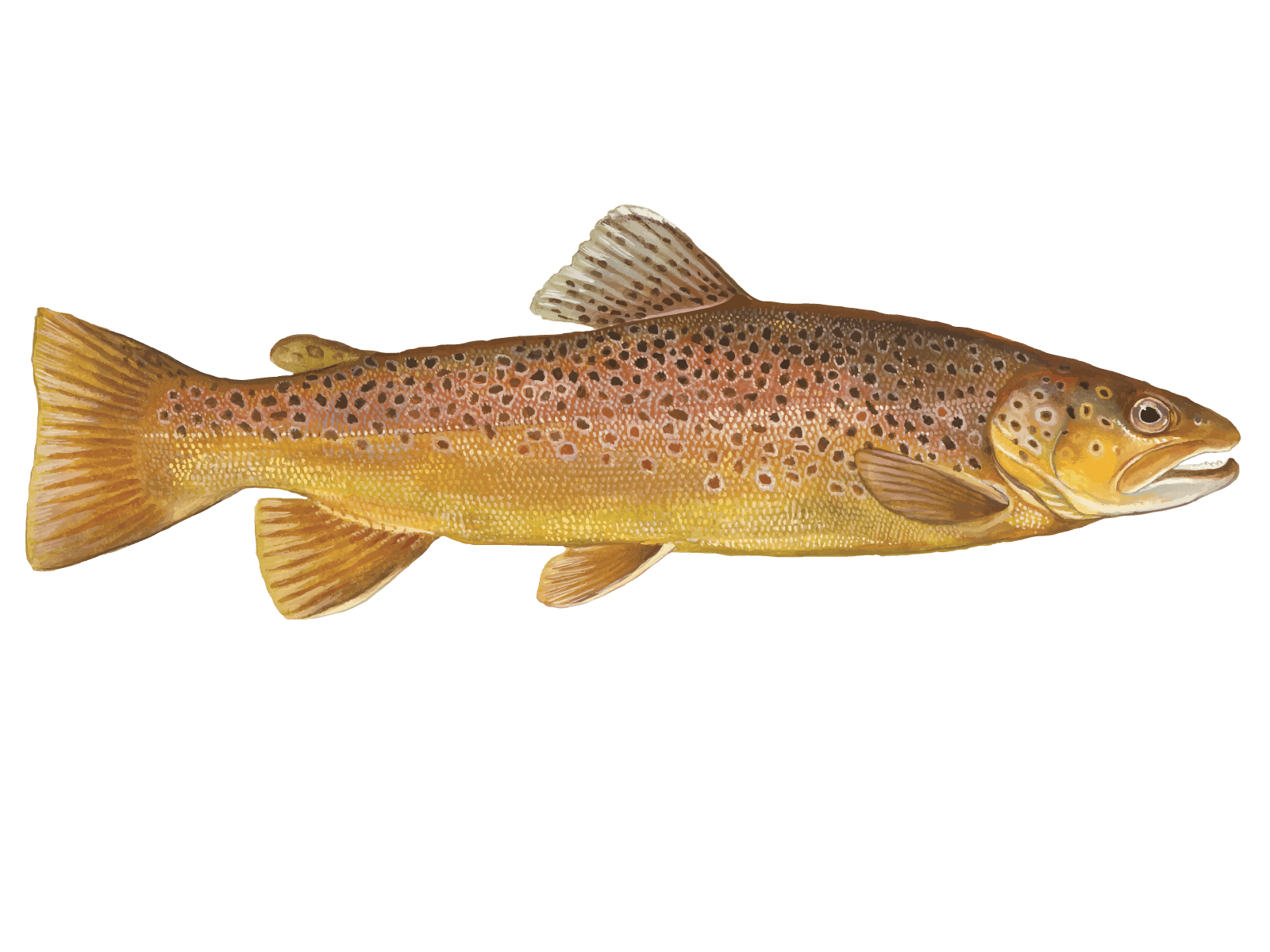
These European transplants are the smartest fish in the river, averaging 8-24 inches with golden-brown backs and black spots. Browns love cover - undercut banks, deep pools, fallen timber, and anywhere they can ambush prey. They prefer water between 54-65°F and often feed aggressively at night, especially during fall. What makes them special is their wariness and selective feeding - they'll test your skills like no other trout. When you do hook one, they fight deep and strong with surprising power. The firm, mild flesh is excellent eating. Fall spawning makes them extra aggressive, while spring offers consistent action. Here's my edge: browns are most vulnerable during low-light periods. Target the deep runs and undercuts with streamers or large nymphs just as daylight fades. They often hold in spots other trout avoid, so don't overlook that gnarly log jam or brushy bank.
Chinook Salmon
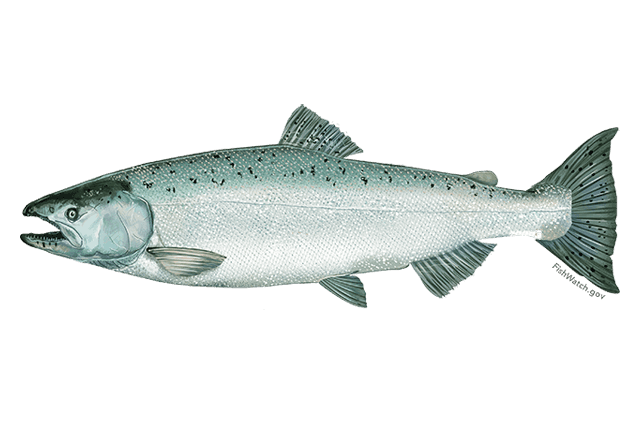
The kings of the river, these bruisers reach 12-39 inches and commonly hit 20-30 pounds during peak runs. Chinook are light-sensitive, so they hug bottom structure and deep holes, especially during bright days. Early morning and evening produce the best action when they're more active. Fall brings the freshest fish loaded with ocean strength. What draws serious anglers is their bulldogging power - no fancy jumps, just raw, relentless pulling that tests every knot and connection. Their reddish-pink meat is premium table fare. The black gums and spots on all fins make identification easy. My proven tactic: since kings stay deep, get your presentation down to them using weighted gear. Focus on the deeper slots and tailouts where they rest between moving upstream. A properly drifted roe bag or large bead through these zones often triggers territorial strikes.
Coho Salmon
Silver bullets that pack serious punch, these fish average 12-30 inches and 8-12 pounds of pure muscle. Coho hold in calm pockets near debris, log jams, and deeper runs during their spawning migration. Fall is prime time when they're fresh from the ocean and still chrome bright. What gets anglers hooked is their aerial show - coho can jump 6 feet straight up and will cartwheel across the surface when hooked. Their bright orange meat is top-shelf eating too. The males develop those gnarly hooked jaws that make them look prehistoric. Here's what works on the White: when swinging hardware through holding water, don't be afraid to go bright - chartreuse and pink spinners trigger aggressive strikes. In heavy current, let your lure swing completely across before starting your retrieve. That final dangle often produces the biggest hits.
Rainbow Trout
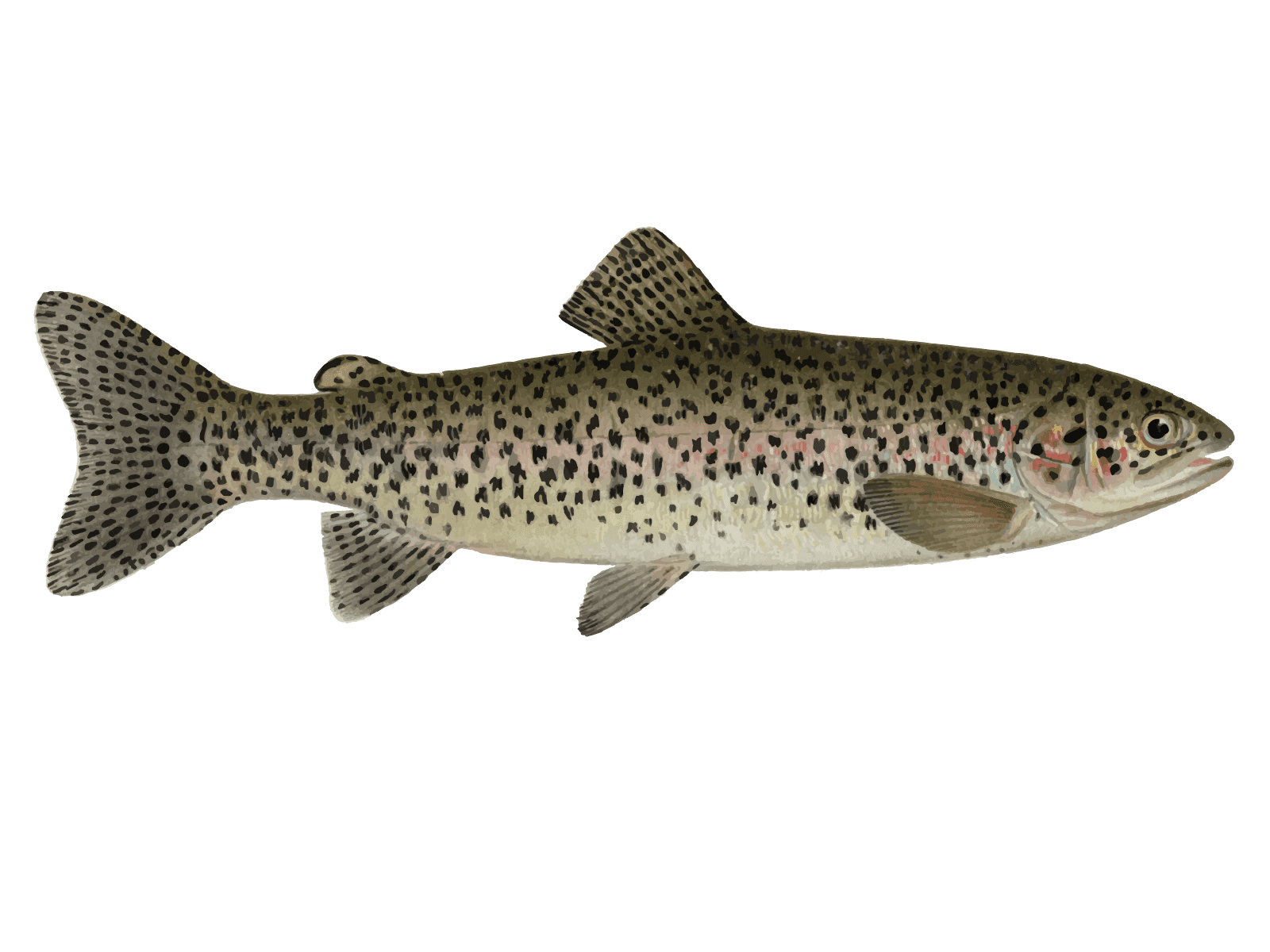
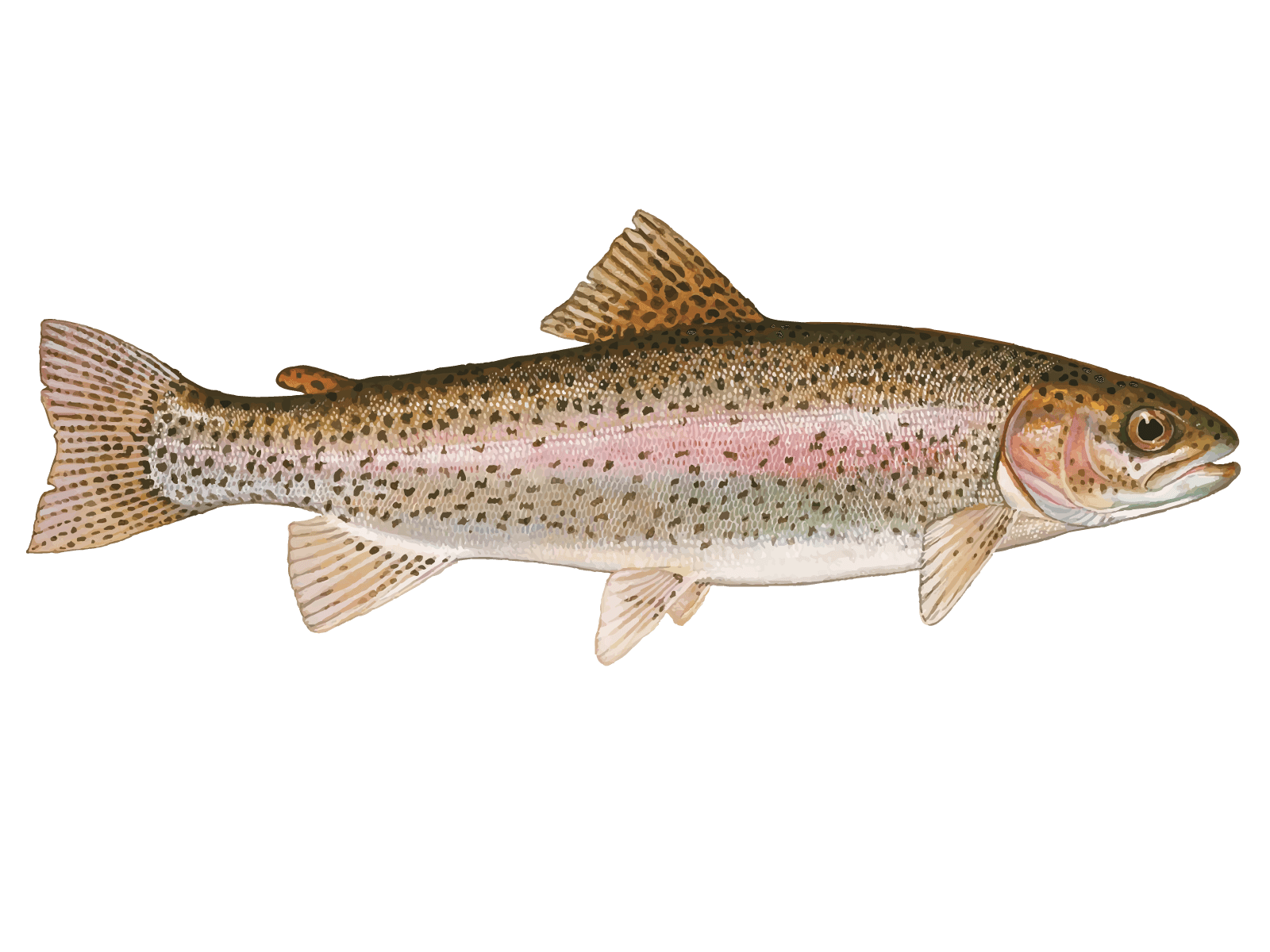
These beauties run 8-24 inches with that signature pink stripe and spotted backs. They love clean, cold water between 55-64°F and gravelly areas with good current. You'll find them holding near structure like logs and undercuts during the day, moving to shallows to feed at dusk. Spring through fall offers the best action, especially when water temps are stable. What makes rainbows special is their acrobatic fight - they'll jump, run, and test your drag every time. Plus, they taste fantastic with that firm, mild flesh. My local trick: when the water's high and muddy, focus your drifts right along the bank where cleaner water meets the main flow. They stage there waiting for food to wash down, and a well-presented bead or nymph will often trigger strikes when nothing else works.
Steelhead Trout
The holy grail of river fishing - these ocean-bright rockets average 24 inches but can push 45 inches and fight like they're twice their size. Steelhead use boulders, wood, and deep runs as cover, staging in prime lies before moving upstream. Mid-fall through spring is when fresh fish enter the system. What makes them legendary is their raw power and stamina - they'll peel line, jump, and bulldoze through heavy current like nothing else. Being anadromous, they're built for battle after years in the ocean. The silvery flanks and black-spotted backs are unmistakable. Here's my go-to technique: in colored water, drift beads or roe just off the bottom through likely holds. Focus on the seam where fast water meets slower current - steelhead love that transition zone where they can rest while staying alert for food.