%2Ffit-in%2F250x250%2Fguide_websites%2F183244%2Fimages%2F1786749020943jandjbrothersguideservice.png&w=1920&q=100)
%2F%2Fusers%2Ff99d2d05-a425-4e04-8588-392d00c71a94%2Fratecard%2Fjandjbrothersguideservice-mstk0dxi.png&w=1920&q=75)
All-Day White River Salmon and Steelhead Grind
When you're serious about putting fish in the boat and want to experience the White River like a local, this is your trip. J and J Brothers Guide Service has designed this marathon session for anglers who don't want to quit when the bite gets hot. We're talking about a full day working every productive piece of water from dawn until your arms are tired and your cooler is heavy. This isn't a casual float – it's a comprehensive fishing education where you'll learn to read water like the fish do, adapt your techniques as conditions change, and understand why the White River has built its reputation as one of the region's top salmon and steelhead destinations.
What to Expect on the Water
Your day starts early when the river is quiet and the fish are feeding. We'll hit multiple bank setups throughout the day, moving strategically as we read the water and fish behavior. Early morning often means float fishing the deeper runs where steelhead hold overnight, then transitioning to bottom bouncing techniques as the sun climbs and fish move to different structure. When conditions call for it, we'll switch to hardware – spoons, spinners, and plugs that trigger aggressive strikes from salmon pushing upstream. The beauty of this all-day format is flexibility. If we're into fish at a particular spot, we stay and work it thoroughly. If the bite slows, we move to the next productive water. You'll fish with small groups of just three anglers maximum, so everyone gets plenty of rod time and personalized instruction. Pack layers because river temperatures change throughout the day, and bring your appetite for learning – by sunset, you'll understand this river system like never before.
Techniques & Tackle Breakdown
The White River demands versatility, and this trip covers the full spectrum of productive techniques. We start with float fishing setups using drift bobbers, yarn, and roe in the deeper pools where fish stage before making their next upstream push. As water visibility and fish activity changes, we'll switch to bottom bouncing with pencil lead and colorful corky setups that get down to where the fish are holding. Hardware fishing becomes crucial when salmon are moving – we'll throw Blue Foxes, Kastmasters, and Kwikfish that imitate baitfish and trigger territorial strikes. The guides provide all the gear, but they'll also walk you through rod selection, line weights, and terminal tackle so you understand why certain setups work in specific conditions. You'll learn to read current seams, identify holding water, and position yourself for the best presentation. Bank fishing here isn't about casting randomly – it's about understanding fish highways, seasonal migration patterns, and how these species use different parts of the river throughout the day.
Top Catches This Season
Rainbow Trout are the river's year-round residents and your most reliable action. These fish average 12-16 inches but don't let their size fool you – they fight hard in the current and know every piece of structure in their home pools. Peak action runs from spring through fall, with the best bite often in the early morning hours before boat traffic picks up. Rainbows respond well to small presentations – think size 4 hooks with single salmon eggs or small pieces of nightcrawler drifted naturally through their feeding lanes.
Coho Salmon show up in late summer and early fall, bringing explosive surface action that'll get your heart racing. These silver rockets average 6-12 pounds and are famous for their aerial displays when hooked. Coho are aggressive feeders that respond to both natural baits and hardware, especially bright spoons and spinners worked through the current seams where they hold. September and October are prime time, when fresh fish are pushing in from the lake system.
Steelhead Trout are the river's prize fighters – chrome-bright fish that can exceed 20 pounds and provide battles that test your tackle and technique. These lake-run monsters are most active during fall and winter runs, though some fish are present year-round. Steelhead require patience and persistence, but when you connect with a fresh fish, you'll understand why anglers plan entire seasons around these encounters. They're suckers for properly presented roe and respond well to float fishing in deeper water.
Chinook Salmon are the heavyweights, with mature fish reaching 15-25 pounds and occasionally much larger. King salmon runs peak in late summer and early fall, when these powerful fish are focused on reaching their spawning grounds. They're bottom-oriented feeders that respond to large baits drifted deep, and once hooked, they'll use every ounce of current to try breaking your line. Landing a fresh Chinook on the White River is a badge of honor among local anglers.
Brown Trout are the river's ghosts – wary, intelligent fish that grow large by avoiding obvious presentations. These spotted beauties can exceed 20 inches and are most active during low-light periods. Browns are opportunistic feeders that respond to live bait presentations, especially nightcrawlers and minnows worked slowly through deeper pools. They're notorious for subtle takes and require concentration to detect, but their fights are bulldogging affairs that showcase their strength and determination.
Time to Book Your Spot
The All-Day White River Salmon and Steelhead Grind represents serious value for dedicated anglers who want to maximize their time on productive water. You're getting a full education in river fishing techniques, seasonal patterns, and species behavior that typically takes years to learn on your own. With J and J Brothers Guide Service handling the logistics, gear, and local knowledge, you can focus entirely on fishing and learning. Fall runs are booking fast as word spreads about the exceptional salmon and steelhead action, so don't wait if you're serious about experiencing the White River at its best. Whether you're looking to improve your technique, understand new water, or simply catch more fish, this comprehensive day on the river delivers results that'll have you planning your return trip before you've even left the water.
Learn more about the species
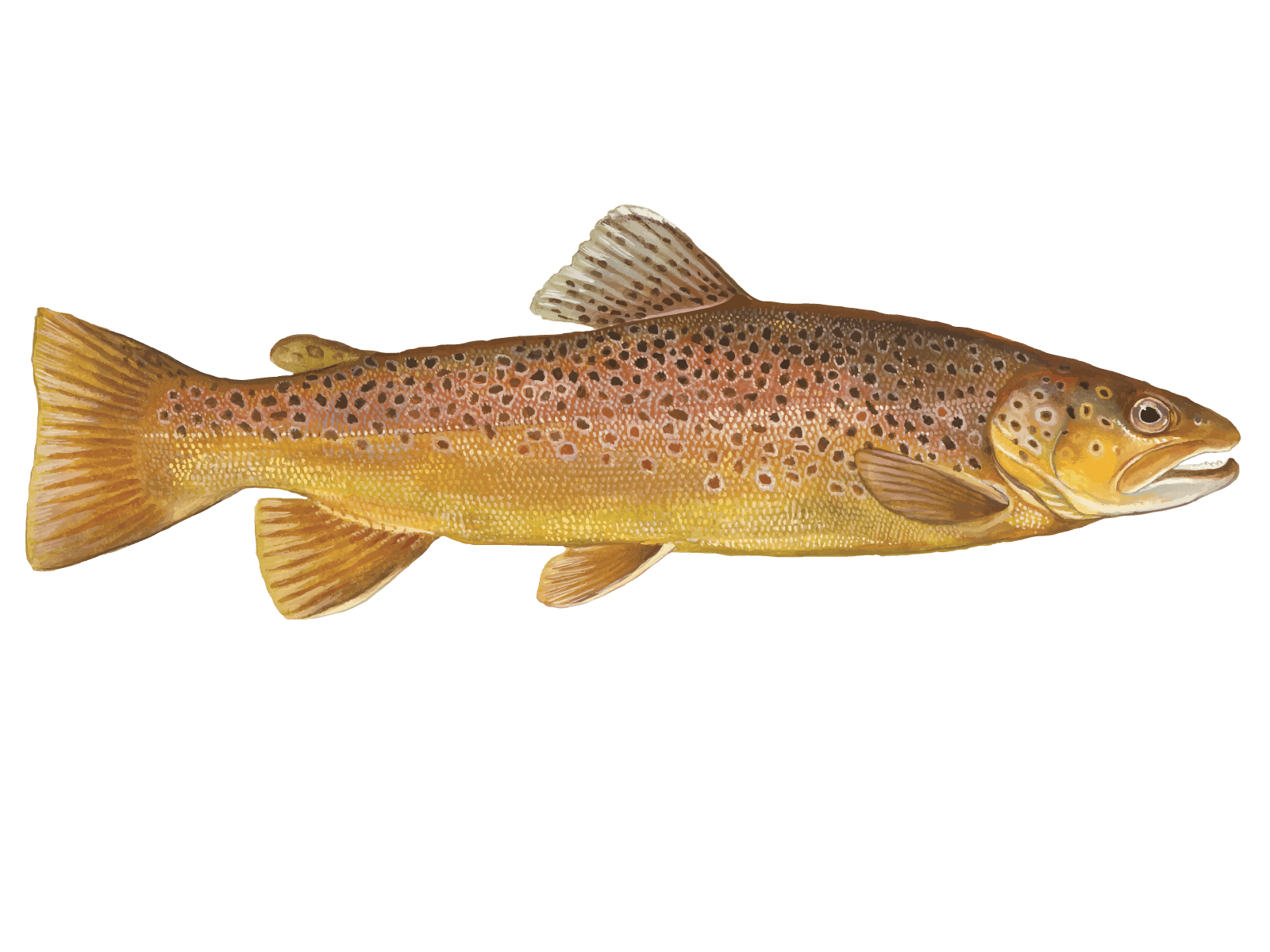
Brown Trout
The most cunning trout in the river, browns typically run 12-20 inches and are notorious for their wariness. These golden-brown beauties with black spots prefer deeper pools, undercut banks, and heavy cover where they can ambush prey. They're most active during low-light conditions and become aggressive night feeders, especially in fall. What makes them special is their intelligence - they've earned every inch they've grown by being selective. The firm, mild-flavored meat is excellent eating. Fall is prime time when they're feeding heavily before winter. Here's a guide secret: browns often hold in spots other trout avoid, like deeper water with slower current. Fish bigger flies or lures than you think, and don't overlook water that looks too still or deep.
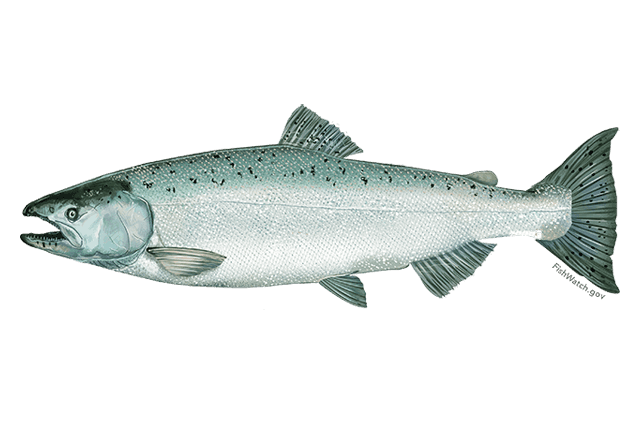
Chinook Salmon
King salmon earn their name - these monsters can push 30+ pounds and stretch over 3 feet long. They're light-sensitive, so they hug the bottom in deep holes and pools during daylight hours, making early morning and evening your best shots. Spring and fall runs bring them through, with fish focused on spawning rather than feeding. What draws anglers is the sheer power - a big chinook will test your tackle and your patience with bulldogging runs. The reddish-pink meat is premium table fare. They're picky biters compared to cohos, but when they commit, you'll know it. Local secret: use plenty of weight to get your offering down to their level, and don't be afraid to fish the deepest, slowest water you can find.
Coho Salmon
Silver bullets that pack serious punch, cohos typically run 12-24 inches and 8-12 pounds when they hit the river. These acrobatic fighters can jump up to 6 feet out of the water - pure adrenaline when you hook one. Look for them in the deeper pools and current breaks, especially areas with cover like fallen logs or undercut banks. Fall through early winter is prime time when they're moving upstream to spawn. They're aggressive biters and will hit bright lures hard, making them a favorite for anglers who want consistent action. The orange-red meat is top-shelf eating. Pro tip: when swinging spinners through fast water, let them work deep and slow. Cohos often follow a lure before committing, so don't rush the retrieve.
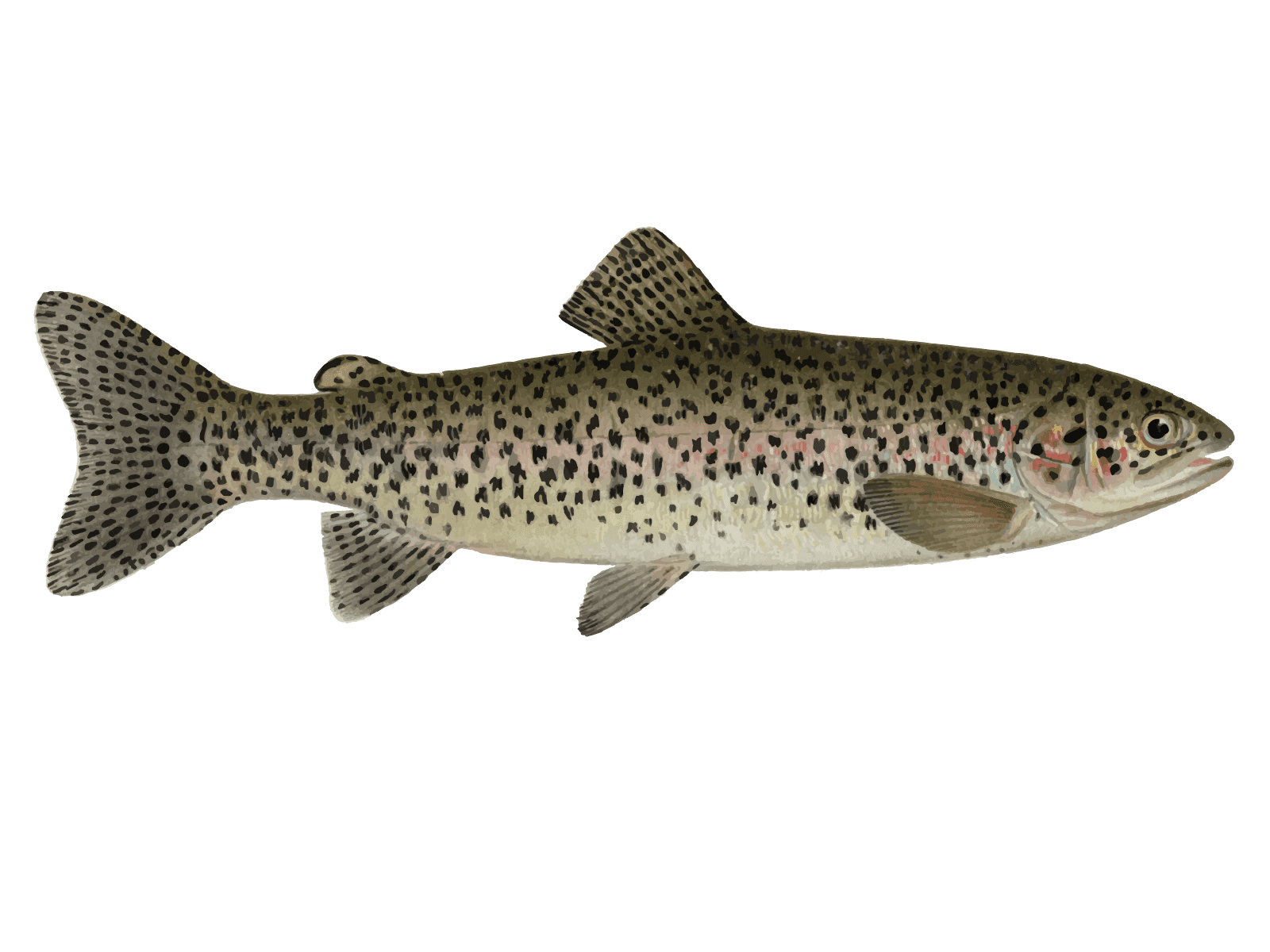
Rainbow Trout
These beautiful fish typically run 8-16 inches and 2-4 pounds on the White River, with that signature pink stripe along their silver sides. Rainbows love clean, cold water between 55-64°F, so you'll find them in deeper pools during warmer months and current seams where oxygen levels stay high. They're most active during morning and evening hours when insects are hatching. What makes them special is their scrappy fight - they'll jump and run hard for their size. The meat is excellent eating too, with that classic pink flesh. Here's a local trick: when nymphing the deeper holes, keep your bait just off the bottom rather than dragging it. These fish are spooky, so a natural drift through their feeding lane usually does the trick.
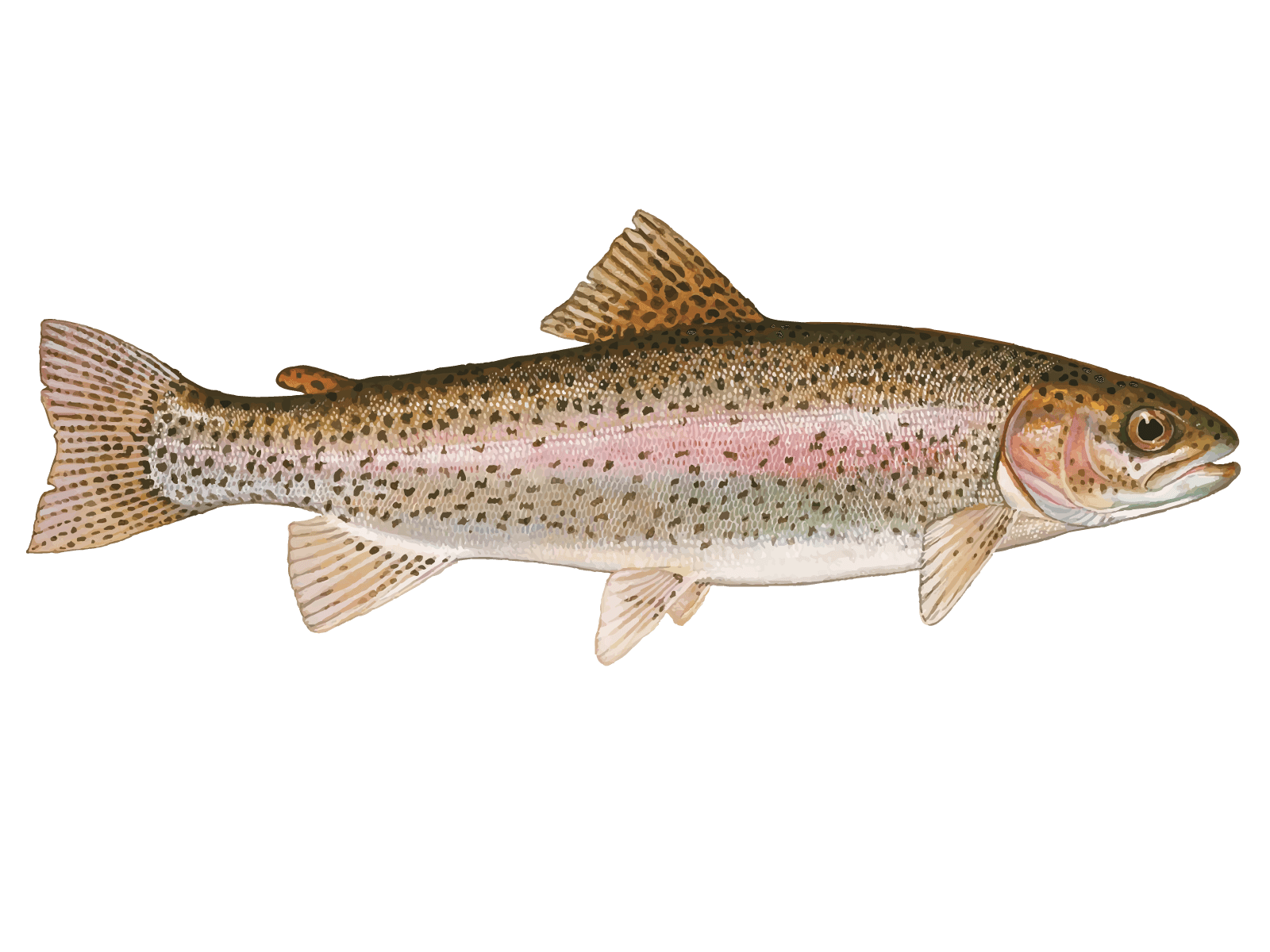
Steelhead Trout
The ultimate river trophy, steelhead average 24 inches but can stretch past 35 inches - basically rainbow trout on steroids after their ocean years. These chrome-bright fish are incredibly strong, using their streamlined bodies and sea-earned muscle to make long runs and aerial displays. They hold in deep pools, current seams, and behind structure during their spawning runs from fall through spring. What sets them apart is their stamina - they'll fight until you're both exhausted. The silvery appearance and multiple spawning ability make them special catches. Best fishing is often in lower light conditions. Here's what works: when swinging flies, don't strip or twitch - let the current do the work and keep steady tension. Steelhead often grab softly at first.