%2Ffit-in%2F250x250%2Fguide_websites%2F183244%2Fimages%2F1786749020943jandjbrothersguideservice.png&w=1920&q=100)
%2F%2Fusers%2Ff99d2d05-a425-4e04-8588-392d00c71a94%2Fratecard%2Fjandjbrothersguideservice-mstk0dxi.png&w=1920&q=75)
Hands-On Riverbank Guiding and Easy Fishing
Captain Justin knows that your first time on the river can make or break your love for fishing. That's why this morning session with J and J Brothers Guide Service cuts through all the confusion and gets you catching fish from day one. You'll spend quality time learning the real fundamentals that separate successful anglers from those who come home empty-handed. No crowded boat, no rushing between spots – just you, up to two other beginners, and a patient guide who remembers what it was like to tie his first knot. By the time you're done, you'll have the confidence to read water like a local and the skills to keep using long after this trip ends.
What to Expect on the Water
This isn't your typical "throw you in the deep end" fishing trip. Captain Justin starts right on the bank, showing you how to spot the prime holding water where trout and salmon actually hang out. You'll learn to recognize current breaks, deeper pools, and undercut banks – the stuff that looks like nothing special but holds all the fish. The morning moves at your pace, with plenty of time to practice your casting before you ever put bait in the water. Justin focuses on drift fishing techniques that work consistently on rivers, teaching you how to control your float and feel those light taps that most beginners miss completely. The small group size means you get real one-on-one attention, not just a quick demo and a pat on the back.
Gear Setup and Techniques
All the tackle comes dialed in and ready to fish – none of that tangled mess you'd probably create trying to rig up on your own. Justin runs quality spinning gear matched to the conditions, with floats, weights, and hooks sized perfectly for the species you're targeting. You'll master the art of reading your float, understanding when it's telling you about bottom structure versus when a fish is mouthing your bait. The focus stays on proven river techniques like bottom bouncing and controlled drifts that put bait right in front of feeding fish. Justin breaks down hook setting timing, which trips up most new anglers, and shows you how to play fish properly without losing them at the net. Everything gets explained in plain English, no confusing jargon or complex knots you'll never remember.
Target Species You'll Want to Hook
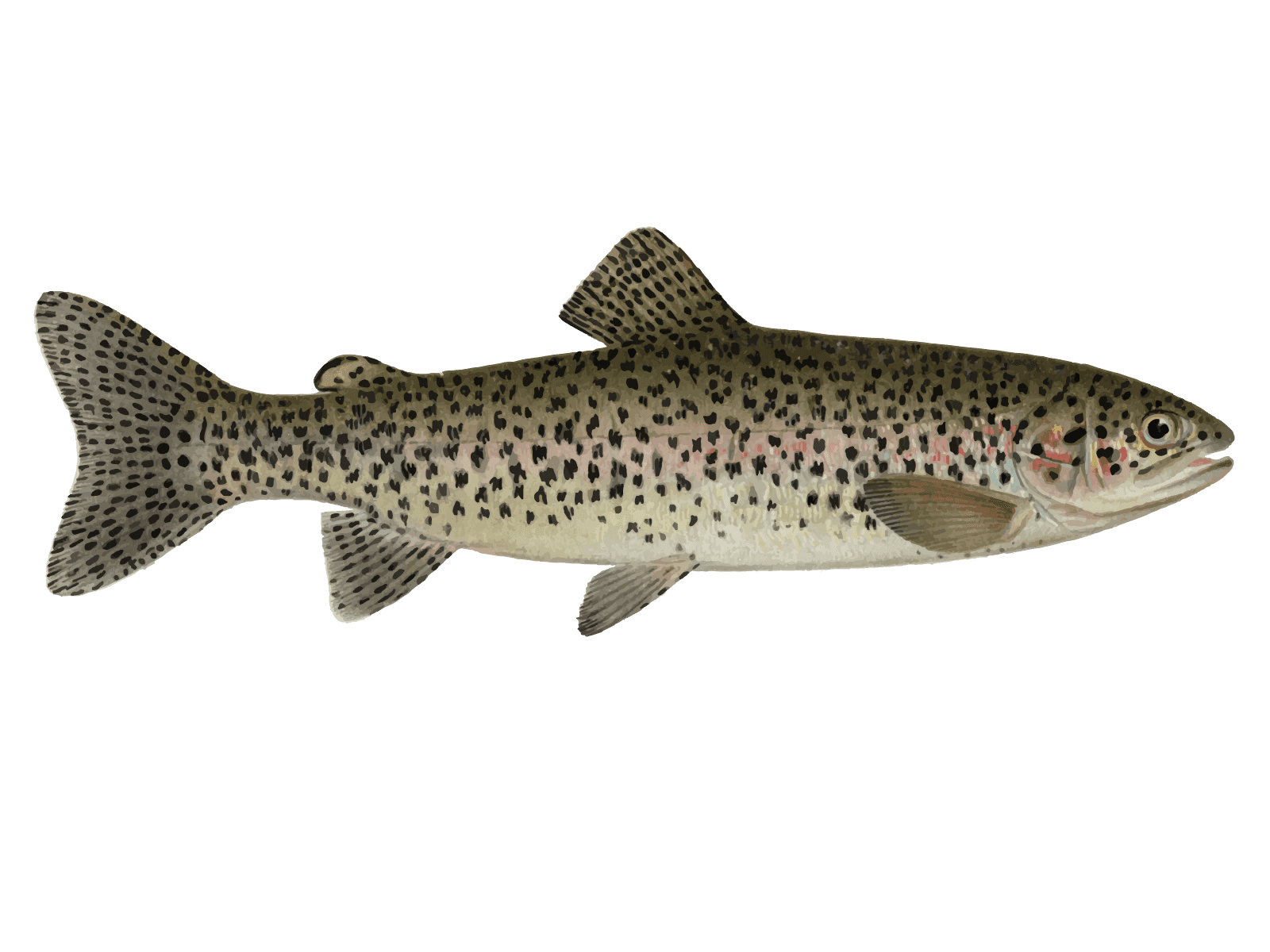
Rainbow Trout are the bread and butter of this fishery, and they're perfect for learning proper technique. These scrappy fighters typically run 12-16 inches and hit soft baits with subtle taps that teach you to really pay attention to your float. They're most active in the cooler morning hours, which fits perfectly with this trip's timing. Rainbows love slower water along current seams, and once you learn to spot these areas, you'll be amazed how many fish you've been walking past all these years.
Coho Salmon bring serious excitement when they're running. These chrome-bright fish hit hard and jump repeatedly, giving you a taste of what Pacific salmon fishing is all about. Cohos move through in waves during their spawning runs, so timing matters. When they're around, even beginners can connect with fish that'll test your drag and teach you why salmon fishing gets people so addicted.
Steelhead Trout are the holy grail for many river anglers, and for good reason. These sea-run rainbows fight harder than anything their size, making blistering runs that'll have your reel screaming. They're pickier eaters than resident trout, which makes them perfect for learning finesse techniques. Landing your first steelhead is a milestone that changes how you think about river fishing forever.
Chinook Salmon, the kings of the river, show up during specific runs and provide heart-stopping action. These bruisers can top 20 pounds and will quickly show you if your drag is set right. They're less common than other species, but when one grabs your bait, you'll understand why salmon guides talk about them with such reverence. The sheer power of a fresh king makes every other fish feel small in comparison.
Brown Trout round out the mix as the craftiest residents in the system. These wary fish often hold in the trickiest spots and require perfect presentations. They're typically larger than rainbows but much more selective about what they'll eat. Fooling a big brown teaches patience and precision that makes you a better angler overall.
Time to Book Your Spot
This hands-on session with Captain Justin gives you everything you need to start your river fishing journey right. Instead of spending years figuring out what works through trial and error, you'll walk away with proven techniques and the confidence to use them. The patient instruction, quality gear, and perfect learning environment make this the smartest investment any new angler can make. With only three spots available, these beginner-friendly trips fill up fast, especially during prime fishing seasons. Don't spend another season wondering what you're missing – book your morning on the water and discover why river fishing hooks so many people for life.
Learn more about the species
Brown Trout
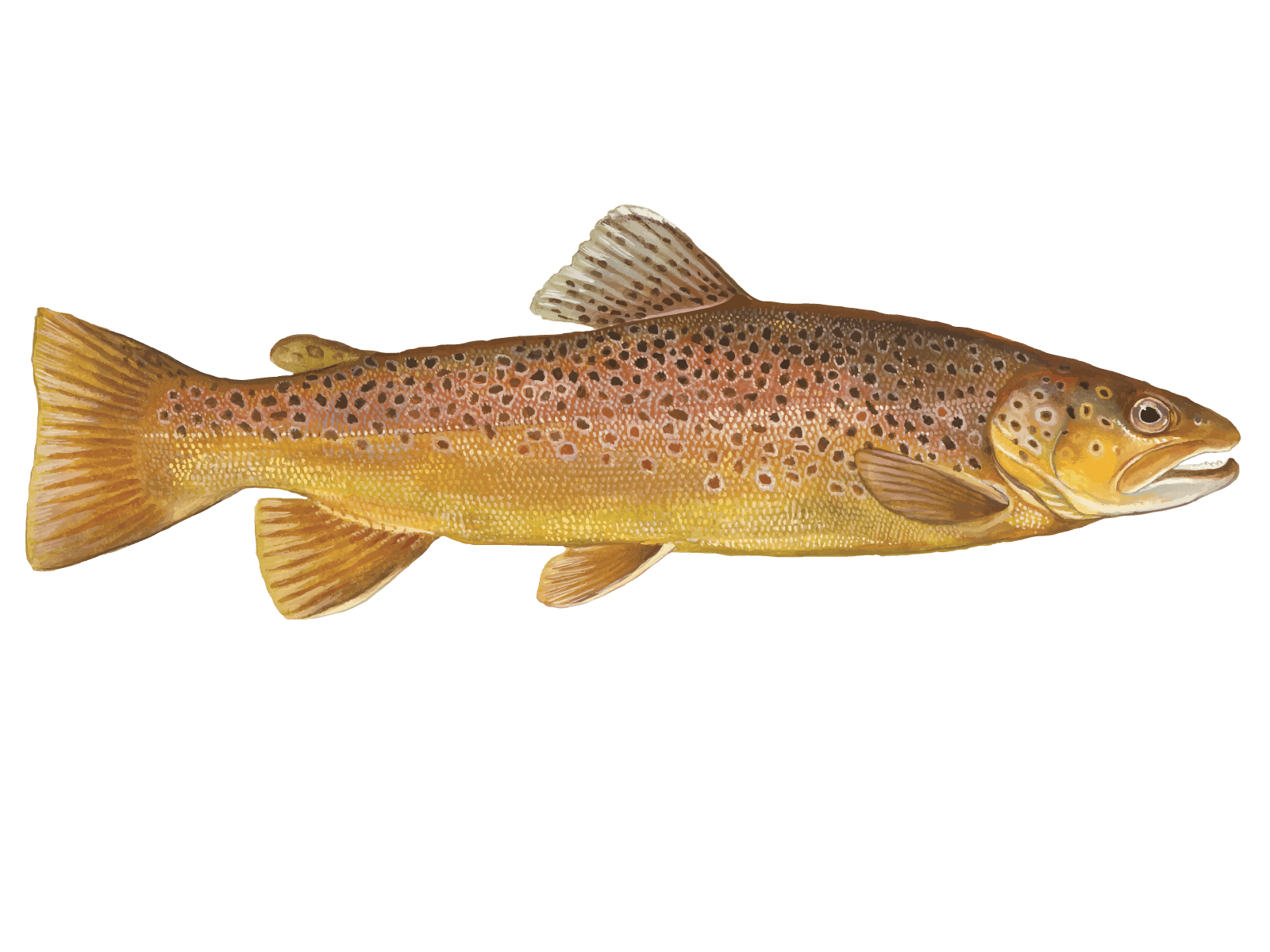
Browns are the smart ones - typically 8-24 inches but capable of growing much larger in the right conditions. They love cool, clear water between 54-65°F and are notorious for being selective feeders. You'll find them hiding under banks, around logs, and in deeper pools during the day. Fall brings the best action when they feed aggressively, especially at night. What makes browns special is their wariness - they'll educate you quickly if you're sloppy. The golden-brown coloration with black spots is beautiful, and they're excellent eating. Many consider them the most challenging trout to consistently catch. Key tip: approach quietly and fish the shadows. Browns spook easily, but if you can get a natural drift past their nose without them seeing you, they'll often take.
Chinook Salmon
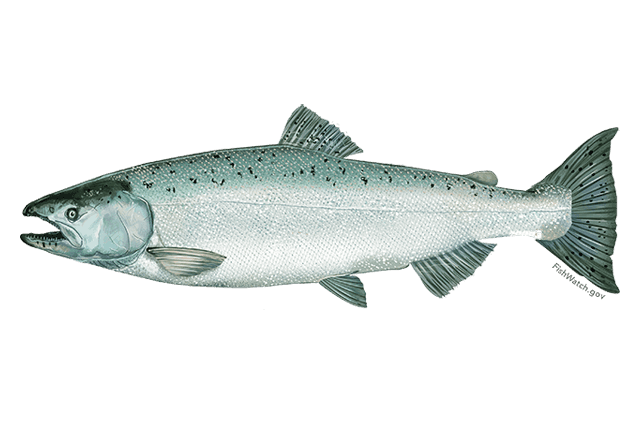
King salmon are the heavyweights, running 12-39 inches and 7-15 pounds, with some monsters pushing 30+ pounds. These fish prefer deeper water and are light-sensitive, so they stay near the bottom most of the day. Early morning and evening provide your best shots. Look for them in deep pools, river mouths, and areas with strong current breaks. Kings are prized for their size and the reddish-pink meat that's hard to beat on the table. The fight is more of a powerful, bulldogging battle than acrobatics. What really gets guests excited is the possibility of hooking into a true giant. My advice: use weighted baits to get down where they live, and don't be afraid to go heavy on your tackle - these fish will test everything you've got.
Coho Salmon
Coho salmon, also called silvers, run 12-30 inches and average 8-12 pounds of pure muscle. These acrobatic fighters can jump 6 feet vertically - you'll know when you hook one. They migrate from ocean to rivers, so timing matters. Best fishing happens during their fall runs when they're aggressive and feeding hard. Look for them in deeper pools and calmer water near cover like logs or rocks. What guests love most is the fight - cohos are famous for their aerial shows and strong runs. The bright orange meat makes for outstanding table fare too. Pro tip: when they're moving upriver, swing bright spinners or jigs through the deeper holding water rather than chasing traveling fish.
Rainbow Trout
Rainbow trout average 8-24 inches and typically weigh 2-8 pounds. They're perfect for beginners since they're found in most rivers and streams with cool, clean water around 55-65°F. Look for them near gravelly areas, undercut banks, and pools with good cover. Spring through fall offers the best action, especially during morning and evening feeding times. What makes rainbows special is their willingness to take flies, lures, and bait - plus they put up a solid fight with occasional jumps. The meat is excellent eating too. My go-to tip: keep your bait drifting naturally just off the bottom through deeper pools. These fish are spooky, so a quiet approach and light tackle will double your chances.
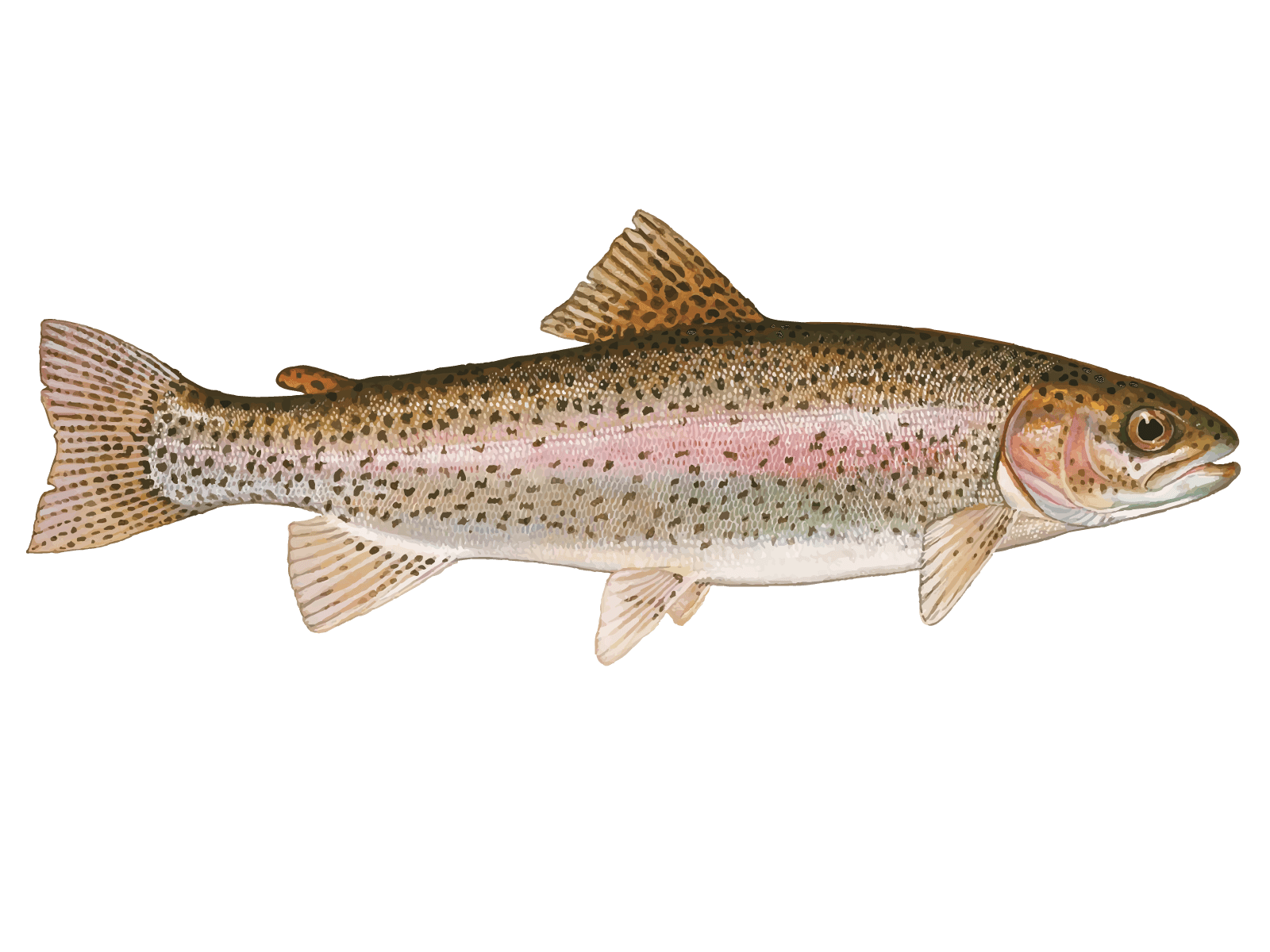
Steelhead Trout
Steelhead are ocean-going rainbows that return to rivers, typically running 24 inches and fighting like fish twice their size. These silver bullets spend years in saltwater, making them incredibly strong. Fall through spring brings the best runs when they're fresh from the ocean. Find them in deeper pools, behind boulders, and along current seams in cold, fast water. What separates steelhead from other fish is their stamina - long runs and jumping ability that'll test your drag system. They're considered the ultimate prize by many river anglers. The meat quality is top-notch too. Here's what works: focus on dawn and dusk, drift your presentation naturally, and when you hook one, keep steady pressure but let your rod do the work.